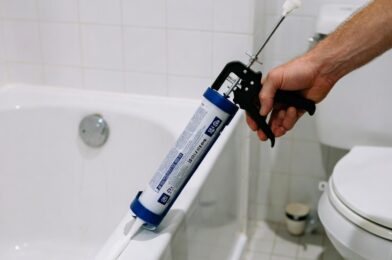
How to Caulk a Bathtub Correctly (And Make It Last for Years)

Old, cracked, or moldy caulk around a bathtub is one of those things that makes an otherwise clean bathroom look neglected. It’s also a practical problem water gets behind deteriorating caulk and causes water damage and mold growth inside the wall. Recaulking a tub is one of the most impactful small projects you can do in a bathroom.

The whole process takes about an hour of active work, plus drying time. The tools cost next to nothing, and a quality tube of caulk is around $8-$12. Here’s how to do it in a way that actually lasts.

What You’ll Need

  • 100% silicone caulk (white or clear, bathroom rated)
  • Caulk gun
  • Utility knife or oscillating tool
  • Caulk remover tool (plastic, about $3)
  • Rubbing alcohol and clean cloth
  • Painter’s tape
  • Spray bottle with water and a drop of dish soap
  • Old spoon or caulk finishing tool

Step by Step Instructions:

Step 1: Remove ALL the old caulk

This step is non-negotiable. Applying new caulk over old caulk never works well it peels within months. Use a utility knife to score along both edges of the old caulk, then use the caulk remover tool to peel it away. Take your time and remove every trace of the old material, including any that’s worked its way into gaps in the tile.

Step 2: Clean and dry the surface completely

Wipe the entire joint with rubbing alcohol to remove soap scum, body oils, and any remaining caulk residue. Then let it dry for at least one hour. New caulk will not bond properly to a damp surface, and this is the most common reason fresh caulk peels away within a few months.

Step 3: Apply painter’s tape for clean lines

Run two strips of painter’s tape along both edges of the joint, leaving just the gap you want to fill exposed. This creates perfectly straight lines on both sides and makes cleanup much easier. Press the tape edges down firmly.

Step 4: Fill the tub with water before caulking

This sounds strange but it’s a professional trick. A full tub is heavy and pulls the tub slightly away from the wall. If you caulk with an empty tub and then fill it, the weight can crack the fresh caulk. Fill the tub first, caulk, let it cure, then drain it.

Step 5: Apply and smooth the caulk

Cut the caulk tube tip at a 45 degree angle (smaller is better you can always cut more off). Apply a steady, continuous bead along the entire joint without stopping. Immediately spray the bead lightly with your soap-and-water mixture and smooth it with the back of an old spoon, running it along in one smooth motion. Remove the painter’s tape while the caulk is still wet.

Pro Tips

Let silicone caulk cure for a full 24 hours before using the tub. Getting it wet before it cures can prevent it from bonding properly and it will peel away much sooner.

If you see black mold in the old caulk joint, clean the area with a bleach solution before applying new caulk. Sealing mold under new caulk doesn’t kill it it just hides it temporarily while it continues to grow.

Final Thoughts

Good caulk work around a bathtub can last 5-10 years when done correctly. The preparation removing old caulk and drying the surface thoroughly is what determines whether your new caulk lasts months or years. Take the time to do it right and you won’t need to do it again for a long time.
How to Seal Gaps Around Windows and Doors (Stop Drafts and Save on Energy Bills)

Drafts around windows and doors are silent money wasters. The U.S. Department of Energy estimates that air leaks account for 25-40% of heating and cooling costs in a typical home. The good news is that sealing these leaks is one of the most cost-effective home improvements possible materials cost $20-$50 and the energy savings can easily return that investment in a single winter month.

I sealed every window and door in my house three years ago on a windy afternoon. The difference was noticeable that same evening the rooms felt noticeably less cold near the windows and the heating system didn’t cycle as frequently.

What You’ll Need

  • Foam weatherstripping (self-adhesive)
  • V-strip (tension seal) weatherstripping
  • Silicone or acrylic latex caulk
  • Caulk gun
  • Door sweep (for the bottom of exterior doors)
  • Utility knife
  • Putty knife (to remove old weatherstripping)
  • Rubbing alcohol

Step-by-Step Instructions

Step 1: Find the leaks first

On a cold, windy day, hold your hand near the perimeter of every window and exterior door frame. You’ll feel air movement where gaps exist. For a more precise test, hold a stick of incense near suspected areas the smoke will drift toward or away from gaps. Mark everything you find with a small piece of painter’s tape.

Step 2: Remove old weatherstripping

Pull off any existing weatherstripping it’s often dried out, compressed flat, or partially falling off in older homes. Clean the surfaces where it was attached with rubbing alcohol to remove adhesive residue. New weatherstripping won’t bond well to dirty or adhesive covered surfaces.

Step 3: Apply foam weatherstripping to door frames

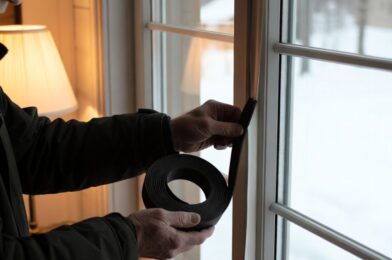
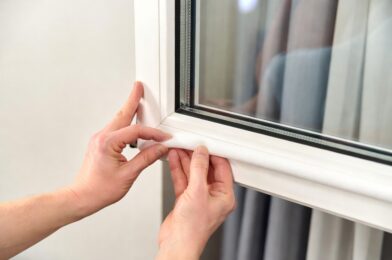
Self-adhesive foam weatherstripping is ideal for the top and side frames of exterior doors (the parts the door presses against when closed). Cut it to length, peel the backing, and press it firmly into the door stop (the small raised edge the door closes against). The foam compresses slightly when the door closes, creating an airtight seal.

Step 4: Use V-strip for sliding windows

For double-hung windows that slide up and down, V-strip weatherstripping is more durable than foam. Cut it to the height of the window channel and slide it into the channel with the open side of the V facing outward. When the window slides, the V-strip creates consistent tension and seals the gap along the full length of the channel.

Step 5: Caulk around the window frame

The joint between the window frame and the exterior wall is often where significant air infiltration occurs. Apply a bead of silicone caulk (exterior grade) around the entire window perimeter where the frame meets the wall. Smooth it with a wet finger immediately after application. Interior gaps between the frame and the wall can be sealed with expanding foam spray for larger gaps.

Pro Tips

Install a door sweep on the bottom of all exterior doors. This rubber or brush strip seals the gap between the door bottom and the threshold often the biggest single source of cold air infiltration in a home.

Check weatherstripping every two years. Foam compresses permanently over time and needs to be replaced. V-strip and door sweeps last longer but should be inspected annually.

Final Thoughts

Sealing drafts around windows and doors is the highest return-on-investment home improvement most homeowners can make. A $30 investment in weatherstripping and caulk, applied carefully on a weekend afternoon, can meaningfully reduce energy bills every single month for years. Start on the windiest day you can find it makes the drafts easy to locate.

How to Remove Old Wallpaper Without Damaging Your Walls

Removing wallpaper is a job that people either find satisfying or absolutely maddening, depending entirely on how the paper was originally installed and how long ago it went up. Modern vinyl wallpaper on properly primed walls peels off in large sheets with minimal effort. Old paper on unprimed drywall requires patience, the right tools, and careful technique to avoid tearing the drywall face paper underneath.

I’ve removed wallpaper in three different homes and the key lesson each time was the same: the right removal solution and enough dwell time make all the difference.

What You’ll Need

  • Wallpaper scoring tool (DIF Scorer or similar)
  • Spray bottle or garden pump sprayer
  • Wallpaper removal solution (fabric softener + hot water works well)
  • Wide plastic scraper (6-inch)
  • Metal wide putty knife (for stubborn sections)
  • Sponge and bucket
  • Drop cloths to protect floors
  • Fan for ventilation

Step by Step Instructions :

Step 1: Prepare the room

Remove all furniture or push it to the center of the room. Lay drop cloths on the floor this job creates a significant amount of wet debris. Turn off the electricity to any outlets or switches on the walls you’re working on, as you’ll be using a lot of water near them.

Step 2: Score the wallpaper surface

Run the scoring tool across the wallpaper in overlapping circular patterns. This creates tiny perforations that allow the removal solution to penetrate through the wallpaper’s outer layer and reach the adhesive underneath. Don’t press too hard you want to score the paper, not gouge the wall.

Step 3: Apply the removal solution generously

Mix equal parts warm water and fabric softener in a spray bottle (this works as well as commercial products and costs a fraction of the price). Spray a section of wall thoroughly about 4-6 square feet at a time and wait 5-10 minutes. The paper should look visibly wet and slightly darker in color. Don’t rush this step.

Step 4: Scrape the paper off carefully

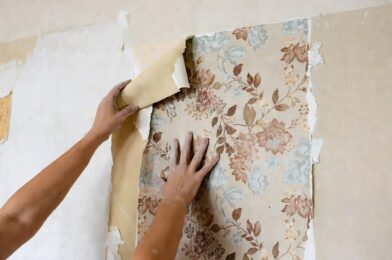
Start at a corner or seam and work your wide scraper under the paper at a low angle (almost parallel to the wall). The wetter and softer the adhesive, the less force you need. If you’re using significant force, the paper needs more dwell time with the solution. Force causes gouging patience prevents it.

Step 5: Remove the adhesive residue

After all the paper is off, there’s still adhesive (sizing) left on the wall. Sponge the walls with warm water and scrub with a sponge to remove it. This step is often skipped and always regretted any remaining adhesive will cause new paint to bubble and peel. Rinse the walls once more with clean water and allow them to dry completely for 24-48 hours before painting.

Pro Tips

If the drywall gets slightly damaged or torn during removal, repair it with joint compound before painting. Apply a thin coat, let it dry, sand smooth, and prime before painting.

To check if a wall is ready to paint, shine a bright work light at a sharp angle across the wall surface in a dark room. This raking light technique reveals every bump, ridge, and imperfection that normal lighting hides. Address anything you find before painting.

Final Thoughts

Wallpaper removal is one of those jobs where the right approach makes the difference between a half-day project and a week of frustration. Score thoroughly, keep the paper wet with solution, give it time to soak in, and scrape gently. Rushing any step leads to wall damage that adds time and cost to the overall project.

How to Paint a Room Like a Professional (Even If You’ve Never Painted Before)

Painting a room is the single highest-impact home improvement project you can do for the least amount of money. A fresh coat of paint transforms a tired, dated room into something that feels completely new. And unlike most home improvement projects, painting is genuinely forgiving for beginners mistakes are easy to fix before the paint dries.

The difference between a professional-looking paint job and a messy one has almost nothing to do with skill. It’s almost entirely about preparation. Professional painters spend 60% of their time preparing the room and 40% actually painting. Keep that in mind as you read through this guide.

What You’ll Need

  • Paint (calculate: one gallon covers roughly 400 square feet)
  • Primer (especially important for dark colors or fresh drywall)
  • 2-inch angled brush for cutting in
  • Paint roller and tray
  • Roller extension pole
  • Painter’s tape (the blue kind)
  • Drop cloths
  • Sandpaper (fine grit)
  • Damp cloth for cleaning walls

Step by Step Instructions:

Step 1: Prepare the room properly

Move furniture to the center of the room and cover it with drop cloths. Remove outlet covers, light switch plates, and any wall fixtures. Fill nail holes and small imperfections with spackle, let it dry, and sand smooth. Clean the walls with a damp cloth dust and grease prevent paint from sticking properly.

Step 2: Apply painter’s tape carefully

Run painter’s tape along the edges of trim, baseboards, ceilings, and window frames. Press the edge firmly with your finger or a putty knife to prevent paint from bleeding underneath. Good taping is what gives you those clean, sharp lines that make a room look professionally done.

Step 3: Apply primer

If you’re covering a dark color, painting new drywall, or making a dramatic color change, primer is not optional. Roll it on the same way you would paint, let it dry completely, then lightly sand with fine grit sandpaper for the smoothest possible surface for your top coat.

Step 4: Cut in first with a brush

Before using the roller, use your angled brush to paint a 2–3 inch band along all edges ceiling lines, corners, around trim, and anywhere the roller can’t reach. This is called cutting in, and doing it before rolling means the roller will blend seamlessly into the brushed areas while everything is still slightly wet.

Step 5: Roll the walls in a W pattern

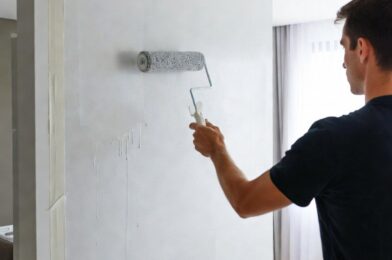
Load the roller with paint (don’t overload it, it should be coated but not dripping). Roll the paint onto the wall in a large W or M shape, then fill in the gaps without lifting the roller. This distributes paint evenly without lines. Work in sections about 3 feet wide from ceiling to floor. Let the first coat dry fully before applying a second coat.

Pro Tips

Never cut in one day and roll the next. The cut-in edges will dry and you’ll see a visible line where the brush met the roller. Always cut in and roll each wall in the same session while everything is wet.

For the cleanest lines, remove painter’s tape while the paint is still slightly wet, not after it has fully dried. Pull it back at a 45 degree angle, slowly and steadily.

Final Thoughts

Painting a room yourself saves $200-$500 compared to hiring a professional for a standard bedroom. With proper preparation and the right technique, the results will genuinely look professional. Take your time on the prep work and the painting itself will be easy.

How to Clean Gutters Safely (A Step by Step Guide for Homeowners)

Clogged gutters are one of the most overlooked causes of serious home damage. When gutters can’t drain water away from the house, it backs up and overflows soaking the foundation, rotting the fascia boards, causing basement flooding, and in winter, creating ice dams that can lift shingles and leak into the attic.

Gutter cleaning isn’t the most pleasant job, but it takes about an hour for a typical single story home and costs nothing beyond your time. The key is doing it safely. Falls from ladders are one of the leading causes of home improvement injuries, and this guide addresses safety at every step.

What You’ll Need

  • Extension ladder (rated for your weight + 50 lbs for tools)
  • Ladder stabilizer (highly recommended attaches to ladder, rests against the house)
  • Work gloves
  • Plastic gutter scoop or small garden trowel
  • Bucket with hook (to hang from ladder)
  • Garden hose with spray nozzle
  • Safety glasses
  • Non-slip shoes

Step by Step Instructions :

Step 1: Set up the ladder correctly

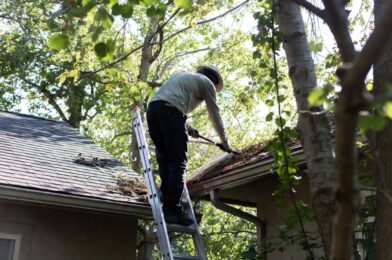
Place the ladder on firm, level ground. Never lean a ladder directly against a gutter it can bend or crack under the weight. Use a ladder stabilizer that rests against the house above the gutter line. The base of the ladder should be positioned so that for every 4 feet of height, the base is 1 foot away from the wall.

Step 2: Scoop out debris by hand

Working from a section of clean gutter toward a downspout, scoop out leaves, dirt, and debris with your gloved hands or a plastic scoop and drop it into your bucket. Work toward the downspout so you’re always pushing debris toward the exit, not creating a new blockage further along.

Step 3: Check the downspouts

After clearing the gutter channel, check that each downspout is clear. Drop a small piece of debris in the top and watch to see if it exits at the bottom. If the downspout is blocked, flush it with a hose at full pressure from the top. Stubborn blockages can sometimes be cleared by feeding a plumber’s snake down from the top.

Step 4: Flush the gutters with a hose

With the debris removed, flush the gutters with a garden hose starting at the end farthest from the downspout. Water should flow freely toward and through the downspout. Watch for any areas where water pools these indicate a low spot in the gutter that needs to be re-pitched.

Step 5: Inspect for damage while you’re up there

While you have the ladder out, check the condition of the gutters. Look for cracks, holes, rust, separated joints, and loose fasteners (gutter spikes or screws). Small holes can be patched from inside with gutter sealant. Loose gutters that have pulled away from the fascia need new fasteners or replacement fascia if the wood has rotted.

Pro Tips

Clean gutters at least twice a year once in late spring after seeds and pollen stop falling, and once in late fall after the last leaves have dropped. If you have pine trees overhanging your roof, clean three or four times a year because pine needles accumulate quickly and are small enough to pack into downspouts.

Never lean out to the side to reach further. The temptation to stretch rather than move the ladder is how most ladder falls happen. Move the ladder every 3-4 feet as you work along the roofline.

Final Thoughts

Gutter cleaning is genuinely important preventive maintenance, not just a chore. A one hour investment twice a year protects your foundation, roof, and walls from water damage that can cost thousands of dollars to repair. Set up your ladder correctly, work methodically from one end to the other, and this becomes a straightforward and surprisingly satisfying job.

How to Re-Grout Bathroom Tiles (Refresh Your Bathroom Without Replacing the Tiles)

Grout doesn’t last forever. In a bathroom, it deals with daily moisture, cleaning chemicals, temperature changes, and the natural movement of the house all of which cause it to crack, stain, and eventually crumble. Once the grout deteriorates, water begins to penetrate behind the tiles, leading to mold, water damage, and eventually loose tiles.

The good news is that you don’t need to replace the tiles to fix bad grout. Re-grouting restores the bathroom to a fresh, clean appearance and re-establishes the waterproof barrier all for the cost of materials and a few hours of work.

What You’ll Need

  • Grout saw or oscillating multi-tool with grout blade
  • Vacuum (shop vac or regular with crevice tool)
  • New grout (match the color or choose something fresh)
  • Grout float (rubber float for spreading grout)
  • Bucket and sponge
  • Grout sealer
  • Safety glasses and dust mask
  • Painter’s tape

Step by Step Instructions:

Step 1: Remove the old grout

Use a grout saw (a small hand tool with a carbide blade) or an oscillating tool with a grout removal blade to cut out the old grout to a depth of about 3mm. Work carefully and slowly you want to remove grout, not chip the tiles. Vacuum out all the dust and loose debris from the joints before proceeding.

Step 2: Clean the joints thoroughly

Any grout residue, mold, or debris left in the joints will prevent new grout from bonding properly. Wipe the cleaned joints with a damp cloth and check for any mold treat with a bleach solution if found and let it dry completely. The joint surfaces need to be clean, dry, and free of any old grout residue.

Step 3: Mix the grout to the right consistency

Follow the manufacturer’s instructions on the package. Properly mixed grout should have the consistency of peanut butter thick enough to hold its shape on the float but smooth enough to press into the joints without tearing. Mix only as much as you can use in 30 minutes.

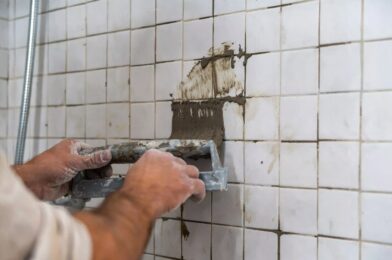
Step 4: Apply grout with a rubber float

Hold the float at a 45-degree angle and work the grout diagonally across the tile surface, pressing it firmly into the joints. Work in sections of about 4-6 square feet. Make sure every joint is completely filled with no gaps or low spots. The tiles will be covered in grout haze at this point that’s normal.

Step 5: Clean and finish

Wait 15-20 minutes after applying (the grout should have firmed up slightly but not hardened), then wipe the tile surfaces with a damp sponge using circular motions. Rinse the sponge frequently. This removes the grout haze from the tile faces while leaving the joints intact. After the grout fully cures (24-48 hours), apply grout sealer to protect it from moisture and staining.

Pro Tips

When removing old grout, work from the center of the joint outward. This reduces the risk of the tool slipping and chipping the tile edge.

Buy slightly more grout than you calculate you need. Leftover grout stores well in a sealed container and is invaluable for future repairs. Running out mid-project and buying a second bag can result in a slight color mismatch.

Final Thoughts

Re-grouting is a high-impact bathroom refresh that costs $20-$40 in materials and transforms the look of old tiles without the expense and disruption of a full bathroom renovation. The grout removal step is the most time consuming part, but done carefully, the rest of the project goes smoothly and the results last for years.

How to Winterize Your Home (Complete Checklist to Stay Warm and Save Money)

Every fall, most homeowners do a few obvious things like putting away the garden hoses and maybe changing the furnace filter. But a truly winterized home is protected at every vulnerability drafty windows, uninsulated pipes, an overtaxed heating system, and energy leaks that quietly inflate your utility bills all winter.

I started taking winterization seriously after a particularly brutal cold snap that froze a pipe in my garage wall and caused $800 in water damage. The following year I spent a Saturday going through this checklist and had no problems at all. It takes about half a day and saves noticeably on heating bills.

What You’ll Need

  • Weatherstripping (foam or V-strip)
  • Caulk gun and silicone caulk
  • Foam pipe insulation (for exposed pipes)
  • Furnace filter (correct size for your system)
  • Door draft stopper
  • Window insulation film kit (optional)
  • Flashlight for inspection

Step by Step Instructions :

Step 1: Seal gaps around windows and doors

On a cold day, hold your hand near window and door frames and feel for drafts. Use a stick of incense or a candle the smoke will show you exactly where air is entering. Seal gaps with weatherstripping on door frames and caulk around window frames. This single step can reduce heating costs by 10-15%.

Step 2: Insulate exposed pipes

Any pipes in unheated spaces like garages, crawl spaces, or against exterior walls are vulnerable to freezing. Wrap them with foam pipe insulation (it splits down the middle and clips around the pipe) available at any hardware store for about $1 per foot. Pay special attention to any pipe that froze in a previous winter.

Step 3: Service your heating system

Replace the furnace filter a clogged filter makes your heating system work harder and use more energy. If you have a gas furnace or boiler, schedule a professional tune-up once every year or two. Bleed any radiators in a hot water system to release trapped air that reduces heating efficiency.

Step 4: Reverse your ceiling fans

Most ceiling fans have a small switch on the motor housing that reverses the blade direction. In winter mode (blades turning clockwise when viewed from below), the fan pushes warm air that has risen to the ceiling back down into the room. This can reduce heating costs by up to 10% in rooms with high ceilings.

Step 5: Prepare outdoor plumbing

Disconnect and drain all garden hoses. Find the indoor shut-off valve for outdoor hose bibs (spigots) and close it, then open the outdoor faucet to drain any remaining water from the pipe. A frozen outdoor faucet can split the pipe inside the wall, causing significant damage when it eventually thaws.

Pro Tips

Check your attic insulation while you’re at it. If you can see the tops of the floor joists poking above the insulation, you need more. Proper attic insulation is the single most cost effective energy improvement in most homes.

Put a reminder in your calendar for the same weekend each fall. Winterization is most effective when it becomes a consistent annual habit rather than something done reactively after the first cold snap.

Final Thoughts

Winterizing your home takes half a day and costs between $20 and $100 in materials. The return on that investment comes every month of the heating season in lower utility bills and avoided repair costs. Do it once properly and it becomes a quick annual checklist rather than a stressful emergency response.